Growkit FAQ - 12 najczęstszych pytań kupujących zestawów do obserwacji grzybni
Czym jest growkit i do czego służy w ofercie drpsy.eu
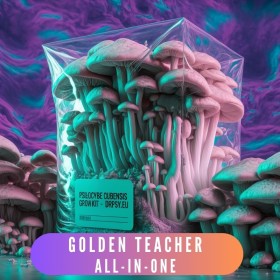
Growkit to gotowy zestaw hodowlany zawierający rozwinietą grzybnię Psilocybe cubensis na podłożu zbożowym. W naszym sklepie produkt ten przeznaczony jest wyłącznie do celów kolekcjonersko-poglądowych oraz do obserwacji mikroskopowej struktury grzybni. Zestaw dostarczany jest w sterylnym pudełku z filtrem wymiany gazowej oraz worku folowego z mikrofiltrem, co pozwala na bezpieczne przechowywanie i prowadzenie obserwacji w warunkach domowych bez konieczności posiadania laboratorium.
Każdy growkit to produkt żywy - substrat jest w pełni zakolonizowany przez micelium konkretnego szczepu. Dzięki temu kupujący otrzymuje materiał gotowy do poddania analizie mikroskopowej bez ryzyka zanieczyszczenia, które często towarzyszy samodzielnemu naszczepnianiu agarów czy ziarna. Oferta drpsy.eu obejmuje liczne odmiany różniące się morfologią grzybni, szybkością kolonizacji oraz wyglądem micelium, co czyni nasze zestawy atrakcyjnymi obiektami dla kolekcjonerów i entuzjastów mikroskopii.
Na co zwrócić uwagę przy wyborze growkitu
Szczep i jego cechy mikroskopowe
Głównym kryterium wyboru jest szczep Psilocybe cubensis. Różne odmiany - takie jak Golden Teacher, B+, McKennaii, Mazatapec czy Ecuador - prezentują się inaczej pod mikroskopem. Różnice widoczne są w budowie hyf, grubości ścianek komórkowych, obecności sznurek micelialnych (rhizomorfów) czy kształcie i wymiarach zarodników (choć w fazie grzybni
Dowiedz się więcej
Szukaj na blogu
Kategorie bloga
- Szczepy grzybów (33) click
- Aktualności - Nowości, Zmiany Prawne i Trendy w Świecie Psychodelików – Analiza na drpsy.eu (11)
- Uprawa i growkity (63)
- Rewolucyjne Zastosowania Psychodelików: Najnowsze Odkrycia Medyczne (146)
- Prawo i legalizacja (9) click
- EDUKACJA - Odkryj Tajniki Psychodelików: DrPsy.eu jako Baza Wiedzy Edukacyjnej (114)
- Przepisy z grzybami (12)
- Poradniki - MAGIA PSYCHEDELICZNA: Bezpieczne Eksplorowanie Świata Psychodelików na DrPsy.eu (0)
- Badania nad psychodelikami (116)
- Efekty, dawkowanie, bezpieczeństwo (45)
- Mykologia i gatunki (37)
- Kronika kryminalna (80)
- Kultura i historia (39)
Popularne posty
-
 Jaki growkit grzybów Psilocybe Cubensis wybrać?Rozpocznij swoją przygodę z hodowlą grzybów psylocybinowych dzięki idealnie dobranemu growkitowi Psilocybe Cubensis. W tym przewodniku odkryjesz, jak wybrać zestaw, który najlepiej odpowiada Twoim potrzebom, zapewniając satysfakcjonujące rezultaty i bezproblemową uprawę. Niezależnie od tego, czy jesteś początkującym mykologiem, czy doświadczonym hodowcą, znajdziesz tutaj wszystkie informacje niezbędne do rozpoczęcia tej fascynującej podróży.Dowiedz się więcej
 -
 Grzybki Halucynki: Tajemniczy Świat Psychodelicznych DoświadczeńW dzisiejszych czasach, kiedy nauka i technologia rozwijają się w zawrotnym tempie, ludzkość zaczyna na nowo doceniać i eksplorować naturalne ścieżki poszerzania świadomości. Jednym z najbardziej fascynujących, a zarazem kontrowersyjnych aspektów tej podróży jest świat grzybków halucynogennych. Te niewielkie, lecz potężne organizmy, od wieków używane przez różne kultury w celach rytualnych, terapeutycznych, a nawet religijnych, znów znajdują się w centrum uwagi, oferując obiecujące możliwości dla medycyny, psychoterapii, a także indywidualnej eksploracji psychiki.Dowiedz się więcej
 -
 Potencjał Terapii Psychodelikami: Nowe Nadzieje dla Zdrowia PsychicznegoCzy zastanawialiście się kiedyś nad alternatywnymi metodami leczenia, które mogą oferować nowe nadzieje dla osób zmagających się z różnorodnymi zaburzeniami psychicznymi? Psychodeliki, substancje od dawna obecne w kulturze i medycynie ludowej, zyskują na znaczeniu w nowoczesnej psychoterapii, otwierając drzwi do potencjalnie rewolucyjnych metod leczenia. Badania naukowe coraz częściej wskazują na ich skuteczność w terapii takich stanów jak depresja, PTSD, uzależnienia, zaburzenia obsesyjno-kompulsyjne, lęk, a nawet zaburzenia odżywiania. Odkryj z nami, jak psychodeliki mogą zmieniać życie osób potrzebujących, oferując nowe perspektywy i możliwości terapeutyczne. Dowiedz się więcej o bezpieczeństwie i skutkach ubocznych związanych z terapią psychodelikami, aby móc świadomie podejmować decyzje dotyczące własnego zdrowia i samopoczucia. Zapraszamy do zgłębienia tematu, który może nie tylko rozszerzyć Twoją wiedzę, ale również otworzyć przed Tobą nowe ścieżki do zdrowszego życia.Dowiedz się więcej
 -
 Grzyby halucynogenne - portal do innego wymiaru?Grzyby halucynogenne - portal do innego wymiaru? Grzyby halucynogenne od wieków fascynują ludzkość, oferując unikalne doświadczenia zmienionego stanu świadomości. W tym artykule zagłębimy się w tajemniczy świat tych naturalnych substancji, odkrywając ich historię, działanie i potencjalne zastosowania.Dowiedz się więcej
 -
 Wszystko, co Musisz Wiedzieć o Grzybkach Halucynkach - Przewodnik dla NowicjuszyGrzybki halucynki, znane również jako psylocybina lub magiczne grzybki, to naturalne substancje zawierające związki psychoaktywne, które mogą wywoływać zmienione stany świadomości. Ich popularność wzrasta wśród osób poszukujących nowych doznań i terapeutycznych właściwości.Dowiedz się więcej
Wyróżnione posty
-
 Co to jest grzybnia MexicanGrzybnia Mexican to fascynujący gatunek grzybni, który skrywa wiele tajemnic i ciekawostek. Jej historia, właściwości łatwość uprawy oraz potencjał medyczny sprawiają, że jest ona niezwykle interesującym obiektem badań i hodowli. Zarówno dla naukowców, jak i miłośników grzybni, grzybnia Mexican oferuje wiele do odkrycia i zrozumienia.Dowiedz się więcej
 -
 Co to jest grzybnia Thai: Historia, tajemnice i ciekawostkiGrzybnia Thai, znana również jako Psilocybe cubensis Thai, jest popularna dzięki swoim właściwościom psychoaktywnym i fascynującej historii. Pochodzi z Tajlandii i była używana w celach rytualnych i medycznych. Grzybnia Thai jest łatwa w uprawie i ma potencjał medyczny, co czyni ją interesującą dla naukowców i hodowców. W artykule omówiono również jej wpływ na kulturę, sztukę i ekosystem.Dowiedz się więcej
 -
 Tajemnice i ciekawostki Ecuadorian + Golden TeacherArtykuł przedstawia tajemnice i ciekawostki dotyczące zestawu grzybów psylocybinowych Ecuadorian i Golden Teacher, ich pochodzenie, właściwości psychoaktywne, zastosowanie w mikrodawkowaniu oraz kwestie bezpieczeństwa i legalności.Dowiedz się więcej
 -
 Co to jest grzybnia Golden Teacher?Golden Teacher to znany gatunek grzybów psylocybinowych, charakteryzujący się złocistymi kapeluszami i bogatą historią. Odkryty w latach 80. XX wieku, zdobył popularność na całym świecie dzięki swoim właściwościom halucynogennym i terapeutycznym. Jego uprawa wymaga odpowiednich warunków, a jego wpływ na psychikę użytkowników nadal jest przedmiotem badań.Dowiedz się więcej
 -
 Golden Teacher Psilocybe Cubensis: Kompletny przewodnikGolden Teacher (Psilocybe cubensis) to popularna odmiana grzybów psilocybinowych, charakteryzująca się złocistym kolorem kapelusza i dużymi, grubymi owocnikami. Zawiera średnią do wysokiej ilość psilocybiny, co czyni ją odmianą o typowej mocy. Jest łatwa w uprawie, co sprawia, że jest idealna dla początkujących hodowców. Dokładne pochodzenie Golden Teacher jest nieznane, ale przypuszcza się, że została wyizolowana z dziko rosnących okazów z wybrzeża Georgii w USA i jest genetycznie spokrewniona z grzybami z Karaibów, Meksyku i Azji Południowo-Wschodniej.Dowiedz się więcej
Tagi bloga
mazatapec
grzyby halucynogenne
badania nad psychodelikami
golden teacher
magiczne grzybki
grzybki halucynki
odkryj najlepsze growkity psilocybe cubensis i zacznij swoją przygodę z hodowlą grzybów psylocybinowych. dowiedz się
psilocybe semilanceata
tajemnice grzybów psylocybinowych
golden teacher psilocybe cubensis cechy
substancje psychoaktywne
grzybnia golden teacher uprawa
golden teacher pochodzenie
golden teacher uprawa
psylocybina badania depresja narodowe centrum nauki polska psychodeliki
historia grzybni thai
psychodeliki terapia leczenie skuteczność bezpieczeństwo ryzyko
golden teacher uprawa
psylocybina
rodzaje
Brak polecanych obrazów
Zarchiwizowane posty
Ostatnie komentarze
-
 Mega fajny artSuper opis grzybków halucynogennych !
 -
mega temat!super wpis! dzięki za info
-
fajny wpis Golden Teacher to mój ulubiony szczepfajny wpis Golden Teacher to mój ulubiony szczep